Jump to Navigation

Searches and Seizures in Drug Cases

When you are faced with jail or prison time as a result of drug charges, an attorney who has regularly advised and represented clients in criminal drug law matters can help you to achieve a cost-effective and timely resolution. To learn more, contact our firm to schedule a consultation and case evaluation with an experienced criminal defense attorney.

Drug Charges Defense Lawyer in Sugar Land, Texas

Fort Bend County - Brazoria County - Harris County

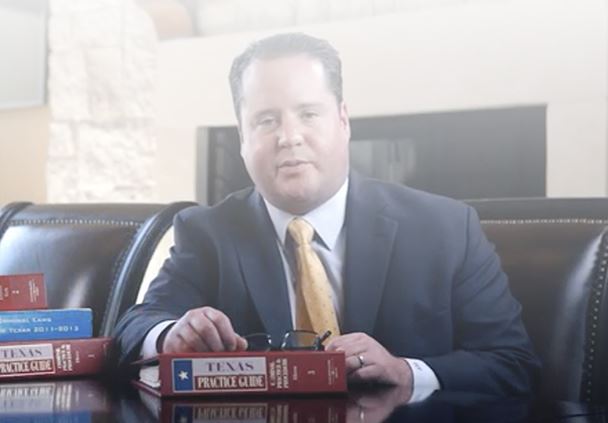
As a former prosecutor for the State of Texas, John Venza Jr. offers a unique perspective on how the other side will approach the drug charges against you. He uses that experience and in-depth knowledge to benefit you.

If you have been charged with a drug crime such as drug possession, manufacturing or cocaine charges, you need aggressive representation from a criminal defense lawyer who knows both sides of the courtroom.

Thank you for contacting Law Office of John L. Venza Jr. Your message has been sent.

Call us now

or use the form below.

At the Law Office of John L. Venza Jr. in Sugar Land, Texas, you will receive tailored and aggressive criminal defense representation no matter what drug charges you may face. Mr. Venza is a former prosecutor for the State of Texas who understands how the other side will approach the charges against you.

To schedule a free consultation with attorney John Venza Jr., call at my office conveniently located off Highway 59, call 281-971-5660 or fill out the contact form on this Web site. Evening, weekend and jail consultations available.

Searches and Seizures in Drug Cases

The Fourth Amendment protects individuals against unreasonable searches and seizures by the government. In drug cases, the legality of how evidence was obtained is frequently challenged. If the government violated the Constitution, the evidence cannot be used. Without the evidence to prove the charges, the State may have to dismiss its case. If you have been charged with a drug crime, an experienced criminal defense attorney from Law Office of John L. Venza Jr., P.L.L.C. in Sugar Land, Texas can advise you whether the evidence leading the charge may have resulted from an illegal search or seizure.

The Fourth Amendment provides:

The right of the people to be secure in their persons, houses, papers, and effects, against unreasonable searches and seizures, shall not be violated; and no Warrants shall issue but upon probable cause, supported by Oath or affirmation, and particularly describing the place to be searched, and the persons or things to be seized.

In addition, similar provisions in each state's constitution may afford even greater protections.

Warrants and the Protection of Privacy

Fourth Amendment protections apply to situations where persons have a reasonable expectation of privacy, such as their home or personal communications, for instance. However, whether the expectation is "reasonable" is the key to whether it is protected by the Constitution. Reasonableness is context-specific. The court looks at an individual's intention to keep something private and whether the expectation is one that society is willing to recognize as reasonable. Just as standards of privacy are constantly changing in society, Fourth Amendment law is also constantly evolving.

The government can intrude on such a zone of privacy only if the search or seizure is reasonable. Generally, a "reasonable" search or seizure is one supported by a warrant. The warrant itself has to be valid: It must be issued by a neutral judicial official, supported by probable cause and describe specifically the person or thing to be searched or seized. To establish "probable cause," the law enforcement officer has to present facts that would lead a reasonable person to believe that a crime is being, or has been, committed.

Exceptions to the Warrant Requirement

The Supreme Court has recognized a number of exceptions to the warrant requirement. A warrantless search or seizure is still "reasonable" if there is probable cause and certain circumstances exist that make getting a warrant impractical or impossible. These exceptions include:

  • Search incident to arrest: searching a person after a lawful arrest to locate weapons and/or prevent the destruction of evidence
  • Consent: when an individual voluntarily waives his or her Fourth Amendment rights
  • Plain view: searching or seizing objects in plain view, if an officer has a legal right to be in that position where he or she is viewing the objects
  • Automobile exception: searching vehicles if an officer has probable cause to believe there is contraband inside and it would be moved before a warrant can be obtained
  • Exigent circumstances: when there is no opportunity to obtain a warrant due to an emergency situation, e.g., life is at risk

Besides these exceptions, law enforcement officers can conduct limited detentions and frisks without a warrant if they have an articulable suspicion that criminal activity is occurring.

Discuss Your Case with an Attorney

Analyzing whether a search or seizure was legal requires a close look at many factors. In a drug case, a successful challenge to evidence can mean the difference between a dismissal and a conviction. Contact a knowledgeable criminal defense attorney from Law Office of John L. Venza Jr., P.L.L.C. in Sugar Land, Texas to discuss your situation and learn about your rights and options.

Copyright ©2009 FindLaw, a Thomson Business

DISCLAIMER: This site and any information contained herein are intended for informational purposes only and should not be construed as legal advice. Seek competent legal counsel for advice on any legal matter.

Back to Main