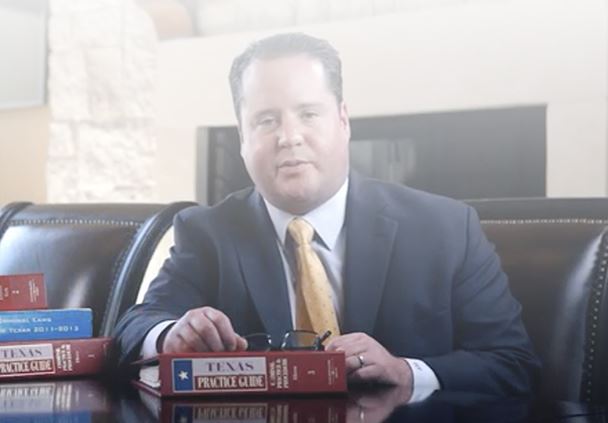
One of the common pain points for residents facing DWI charges is the fear of losing their driving privileges, which can severely impact daily life, especially in areas where public transportation options are limited. I understand these concerns and work tirelessly to mitigate the consequences, aiming to keep you on the road and your record clean.
By choosing my services, you are not just hiring a defense attorney; you are partnering with someone who understands the local landscape and the unique challenges you face. Let me help you navigate this difficult time.
What To Expect From a DWI Case in Fort Bend County
When you are arrested for DWI in Fort Bend County, your case will usually begin with a hearing in a local county or district court in Richmond, often at the Fort Bend County Justice Center. You will first face an arraignment, where the judge explains the charges and you enter a plea, followed by pretrial settings where I can challenge the traffic stop, the arrest, or the way any tests were handled. Throughout these stages, I guide you on what to say, what not to say, and how each decision can affect your license, your criminal record, and your job.
As your case moves forward, I review the evidence from every angle and look for options that fit your situation, whether that means negotiating with the prosecutor, seeking to suppress key evidence, or preparing for a jury trial in a Fort Bend County courtroom. I also help you understand collateral issues such as occupational licenses, court-ordered programs, and how a conviction or dismissal may appear on background checks. If you are searching for a DUI attorney Fort Bend County residents can turn to for practical guidance, my goal is to give you a clear roadmap instead of legal jargon and uncertainty.
Immediate Consequences
If you have been charged with DWI in Fort Bend or other surrounding cities, you need to be aware that the state of Texas has an administrative license revocation (ALR) process. Essentially, you have a mere 15 days to contest the automatic suspension of your driver's license, which will occur independent of any criminal proceedings. Don't wait another moment before contacting the Law Office of John L. Venza Jr. to begin the process of defending your driving privileges with our Fort Bend DWI lawyer.
Background as a DWI Prosecutor
As a prosecutor, I tried dozens of DWI cases. During my tenure, I received specialized training in the examination of expert witnesses for field sobriety testing and the procedures of the Intoxilyzer machine, which police use to measure the alcohol concentration in a suspect's breath. In addition, I personally examined and cross-examined experts on blood toxicology, which is especially helpful for those cases in which the State has alleged that someone's ability is impaired due to the ingestion of drugs as opposed to the consumption of alcohol. Few defense lawyers can offer this hands-on experience and knowledge regarding the laws governing driving while intoxicated and proper law enforcement procedures.
In preparing a client's case, I take a proactive approach, similar to what I did as a prosecutor. I visit and examine the scene and photograph the exact area where the field sobriety tests occurred. Records relating to the police officer's case file and the Intoxilyzer machine are exhaustively reviewed and scrutinized for mistakes. I work to reveal those mistakes to the prosecutor and, if necessary, expose them to the jury.
Arrested for DWI? Contact me today by calling (281) 817-8737 to schedule a consultation with a Fort Bend DWI attorney.
Breath Test Defense in Texas
After an officer pulls a driver over on suspicion of driving while intoxicated, they are permitted to ask the driver to submit to a breath, blood or urine test. While the driver may refuse, it will mean an automatic license suspension, which in some cases is the most profitable option. The most common of these tests involves breathing into a breathalyzer to test the blood alcohol content (BAC) level of the individual. If their BAC is at .08 percent or higher, they will most likely be arrested. Minors with .01 percent or more could be facing underage DWI charges.
This can often be an unfair assessment as these machines have the possibility of false results. Not only can an officer make a mistake when giving the test, but the machine can also malfunction and cause inaccurate readings.
There are other outside factors that can be detrimental to the driver's test results, including the following:
- Health conditions - Acid reflux and gastroesophageal reflux disease (GERD) are two disorders that can influence the amount of alcohol that shows up as part of an individual's blood alcohol content level. In both of these conditions, the alcohol that is in the stomach rises up into the mouth of the individual, causing a much higher reading than is actually present. Additionally, low-carb diets, diabetes or other hypoglycemic disorders can create a substance called "ketones" which read as alcohol in the system. This can cause the breathalyzer to read the alcohol caused by these diseases in the same way that it does an alcoholic beverage, when in actuality the person may be completely sober.
- Chemicals at work - If the driver works with certain compounds on a daily basis such as lacquer, gas or other highly concentrated substances, they can leave trace amounts in the individual's lung tissue. When the person breathes into the device, it can pull these chemicals into the reading and alter the BAC level significantly.
It is wise that you speak with one of the best Fort Bend DWI attorneys if your breath test caused your arrest. As a competent and highly trained representative with experience as a former prosecutor, I can work diligently to investigate your case and come up with a solid defense.
Protecting Against Field Sobriety Test Results
While considered a basic standard for measuring a person's level of sobriety, these tests are not 100 percent accurate by any means. They were never intended to determine the level of intoxication, but rather they were originally created to help determine if a person should be arrested for drunk driving.
Unfortunately, officers may perform these tests incorrectly, not take into account outside factors, or simply be intent upon completing an arrest so that they ignore the facts of the situation. Researchers have found that a portion of officers do not know how to properly conduct these tests, thereby creating significant room for error. There are three basic tests used by many law officers throughout Texas; however, each has its own flaws.
These standardized field sobriety tests each have specific limitations and potential problems:
- Horizontal Gaze Nystagmus (HGN) - The officer will aim to track the driver's eye movements as they move either an object or small flashlight back and forth horizontally. If the driver's eye appears to move erratically, it is supposed to be proof that they are under the influence; however, this is somewhat subjective. Certain medications can cause eye jerkiness as well as inhalers and depressants. Additionally, some people have a hard time focusing either due to eye problems or other genetic disorders.
- Walk and Turn (WAT) - In general, with this test, an officer is looking to make sure that the individual can walk nine steps in a straight line. It is used to test their ability to follow directions, keep their balance, and not waver in their steps. This can be difficult for people who have inner ear issues affecting their ability to balance or for those who have had recent injuries or surgery to their legs, head, or other vital organs. Additionally, those on medications may not be able to focus as clearly or may stumble if they are slightly dizzy.
- One Leg Stand (OLS) - While the individual is standing, they must lift one of their feet at least 6 inches above the ground and hold it for 30 seconds. The officer will look for signs of imbalance, swaying, inability to count up to thirty, and other signs. The problem with this is that many individuals have poor balance, which may be caused by genetics, a bad back, muscle cramps, weight, or age, among other factors. Additionally, the weather can drastically affect this test, as extra wind, high heat, extreme cold, rain, snow, or fog can make it hard to stand straight without wavering.
Contact our office if you have been arrested after a field sobriety test that you believe was conducted unfairly. We will gladly listen to the details of your case during your free initial consultation and are prepared to defend your case until the end. Serving Sugar Land and the rest of Fort Bend County.
Contact our DWI attorney in Fort Bend by calling (281) 817-8737 to learn more about how we can help you!
Commonly Asked Questions
What are the potential outcomes of a DWI defense case?
The outcomes of a DWI defense case can vary depending on the specifics of the situation. They may include a reduction of charges to offenses like reckless driving or obstruction of a highway, or in some instances, a complete dismissal of all charges. Each case is unique, and a thorough examination of the evidence and police procedures is critical to determining the best possible outcome.
How can your training in standardized field sobriety tests benefit my DWI case?
Having completed the same 24-hour course in standardized field sobriety tests as DWI enforcing officers, I am equipped with the knowledge to identify and challenge any mistakes made by police during these tests. This training allows me to scrutinize the arresting officer's procedures and potentially undermine the prosecution's case against you.