Fraud Attorney In Fort Bend County
Facing Fraud Allegations & Need Immediate Help
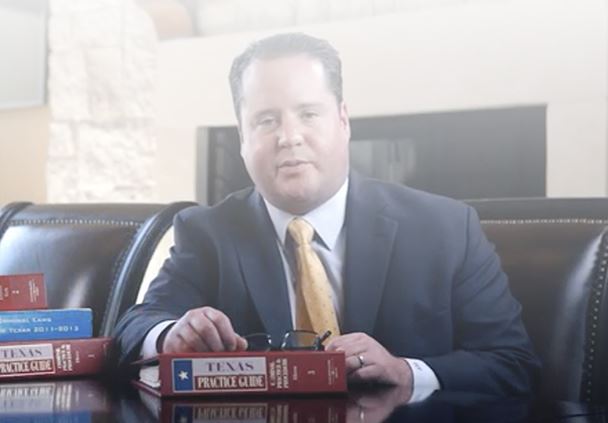
If you have been accused of fraud in Fort Bend County, you are probably worried about prison, your job, and your reputation. An investigation or arrest for a financial crime can turn your life upside down very quickly. You may not know who to talk to, what to say, or what will happen next. I am John L. Venza Jr., a former district court felony assistant prosecutor who now defends people the government accuses of crimes. At Law Office of John L. Venza Jr., my practice is focused on criminal defense, and a significant part of that work involves complex fraud and financial cases. I understand how prosecutors in this county evaluate these files and what they look for when they decide how hard to push a case.
If you are under investigation or already charged, you do not have to face the state alone. You can call (281) 817-8737 to discuss what is happening before you make any decisions about speaking to investigators or anyone else.
Why My Fraud Defense Stands Out
When the government accuses you of fraud, the prosecutor controls significant resources, from investigators to financial analysts. I spent years on that side of the courtroom as a state prosecutor and district court felony assistant DA. That experience taught me how the state assembles fraud cases, where files tend to be weak, and how charging decisions are made.
Since founding Law Office of John L. Venza Jr. in 2007, I have devoted my work exclusively to criminal law. My background in the felony courts means I understand how judges and juries react to allegations involving dishonesty, financial loss, and complex paper trails. I use that understanding to anticipate how the prosecutor might present your case and to plan ways to counter those arguments before they are made. District Court judges have trusted me to serve as District Attorney Pro Tem in selected matters. That kind of appointment does not happen by accident. It reflects confidence in my judgment and understanding of criminal law in the same courts where your case may be heard.
My approach to fraud defense is proactive and offensive. I do not wait to see what the state chooses to hand over and then simply react. I work to identify problems in the state’s theory, seek the information needed to expose those problems, and make prosecutors respond to the questions I raise. In financial and digital evidence cases, this can be the difference between the state driving the narrative and you having a real chance to tell your side.
Understanding Fraud Charges In Texas
Fraud in Texas usually involves an accusation that someone used deception to obtain money, property, or some other benefit. In criminal court, these cases often turn on what the government believes you intended, not just on whether a transaction or document turned out to be wrong. That is one reason fraud cases can feel so personal and threatening.
People here can face a wide range of fraud-related charges. These may include alleged credit or debit card abuse, insurance fraud, check or bank fraud, healthcare or Medicaid fraud, unemployment or benefits fraud, or accusations tied to a business or investment. Some cases are built around electronic records and emails, while others focus on contracts, invoices, or applications.
Consequences vary widely. Some fraud allegations are filed as misdemeanors, while many are felonies that can carry years in state jail or prison, along with fines and restitution. The potential punishment usually depends on the type of conduct the government alleges, the amount of money involved, and any prior record the person may have.
A fraud conviction can follow you long after any sentence is complete. Employers, licensing boards, lenders, and immigration authorities often view fraud as a crime of dishonesty. That can affect professional licenses, business opportunities, and even the ability to remain in the United States. When I review a fraud case, I look not only at the immediate risk of jail, but also at how different outcomes might affect your career and your future.
What To Do If You Face Fraud Allegations
Being contacted by an investigator or served with a warrant is stressful, and it is natural to want to clear things up quickly. However, what you say and do in the early stages of a fraud case can have a major impact later. My goal is to help you avoid mistakes that can give the state more ammunition against you.
You should be very cautious about talking to any law enforcement officer, investigator, or agency representative without legal guidance. These conversations are usually recorded or carefully documented, and prosecutors can use your words to try to show knowledge or intent. Even statements you think are harmless can be taken out of context and used against you in court. It is also important not to destroy, alter, or “clean up” any documents, electronic records, or devices. Deleting emails, shredding papers, or changing entries can lead to separate accusations or be portrayed as evidence of guilt. Instead, preserve what you have and let your lawyer decide how it should be reviewed and used.
Writing down a timeline can be very helpful. Note when you first heard about the accusation, any contact you have had with law enforcement or your employer, and what documents are involved. Bring that information to our first meeting so we can focus quickly on the key events. If you are facing a fraud investigation and want clear guidance before things escalate, you can call my office so I can begin protecting your interests.
How I Defend Fraud Cases Locally
Fraud cases are often built on long paper trails and complex digital records. When I take on a fraud matter that may be heard in the Fort Bend County District Courts, I start by carefully reviewing the charging documents, affidavits, and any early discovery. I want to understand exactly what theory the prosecutor is using and where they are likely to be vulnerable. Financial records and electronic data are rarely as simple as they first appear. I look closely at bank statements, transaction records, emails, text messages, corporate documents, and any other materials the state claims support its case. I pay attention to who created the records, how they were obtained, and whether there are gaps that suggest an incomplete or misleading picture.
In many fraud cases, on-site investigation can also matter. Visiting a business, worksite, or other location connected to the allegations can reveal details that do not show up in a spreadsheet or report. It may help explain why certain transactions occurred or why documents look the way they do. When appropriate, I incorporate those real-world details into negotiations and, if necessary, trial strategy. Because I previously worked inside a felony prosecutor’s office, I recognize many of the patterns that appear when the Fort Bend County District Attorney’s Office builds a fraud case. I understand how local prosecutors typically view cooperation, restitution, prior records, and the strength of their own evidence. That knowledge helps me evaluate whether they are likely to pursue a harsh sentence, consider a reduction, or rethink charges when confronted with serious weaknesses.
Throughout the process, I stay in direct contact with my clients. I explain the options on the table, such as contesting the charges, exploring negotiated resolutions, or preparing for trial. I work to make sure you understand what is happening in your case and why certain decisions are being considered.
In every fraud case I handle, I focus on core goals:
- Protecting your rights during investigations, hearings, and negotiations
- Challenging the government’s evidence and assumptions wherever possible
- Working to reduce or avoid convictions and penalties when the facts allow it
- Considering long-term effects on your record, career, and reputation in every decision
Frequently Asked Questions
Could I go to jail for fraud?
Jail or prison is possible in many fraud cases, especially when the alleged amount is high or prior convictions exist. Whether that happens depends on the exact charge, evidence, and your history. My role is to evaluate those factors and work toward outcomes that limit or avoid incarceration when possible.
Should I talk to investigators before I call you?
I strongly recommend speaking with me before you give any statement to investigators. They are trained to gather information that can be used in court. Once something is said, it cannot be taken back. I can review the situation and advise whether talking at all is in your best interest.
How will a fraud charge affect my job or license?
Fraud allegations can create serious problems with employers and licensing boards because they involve claims of dishonesty. The impact depends on your field, contract terms, and the outcome of the case. I look at those collateral risks with you and take them into account when planning strategy and discussing potential resolutions.
What does it mean that you were a prosecutor?
As a former district court felony assistant DA, I handled cases from the government’s side and learned how prosecutors assess evidence, negotiate, and prepare for trial. That insight now helps me anticipate how the state might approach your fraud case and identify ways to challenge their theory effectively.
Can I hire you if I am only under investigation?
Yes. Many people contact me while they are still under investigation and before charges are filed. Early involvement often allows more room to protect your rights, manage contact with investigators, and start gathering helpful information. You do not have to wait for an arrest to get legal advice.
Talk To Me About Your Fraud Case
If you are facing a fraud investigation or charge in Fort Bend County, you do not have to navigate it alone. As a former prosecutor who now defends people accused by the state, I understand both how these cases are built and how they are challenged in the Fort Bend County District Courts.
The sooner you involve a fraud lawyer in Fort Bend County, the more options you may have. I am prepared to review your situation, answer your questions, and discuss practical next steps so you can make informed decisions. Your conversation with my office is confidential and focused on your specific concerns.
Call (281) 817-8737 to speak with me about your fraud case.

Recent Case Results
-
DISMISSED State v. AA
-
DISMISSED State v. AE
-
DISMISSED State v. AL
-
DISMISSED (BOTH CASES) State v. AL
-
DISMISSED State v. AM
-
DISMISSED State v. AP
Get Your Case Dismissed
Developing the right strategy and using my connections in the legal community, I will do my best to get your case dismissed so you can move on with your life.